
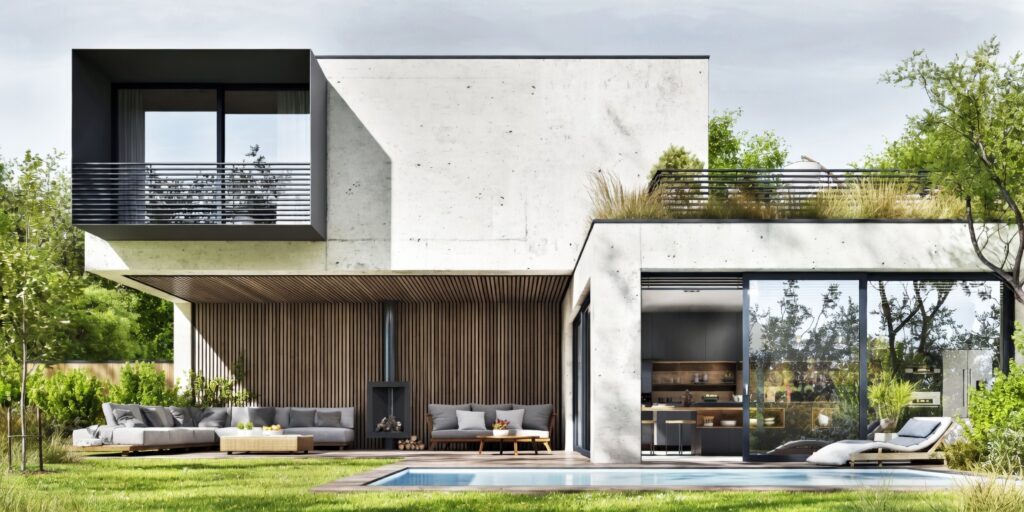
Let’s start with this.
If you’ve been hearing more about ADUs lately, you’re not imagining it.
With housing demand rising across the U.S., more homeowners are looking at their property and asking, “Can I do more with this space?”
That’s where ADUs come in.
They are flexible, they can generate income, and in the right situation, they can significantly increase property value.
But they are not a one-size-fits-all solution.
So before you jump into planning one, let’s break down what they actually are, what they cost, and whether they make sense for your property.
What Is an ADU?
An ADU, or Accessory Dwelling Unit, is a secondary living space built on the same lot as a primary home.
Think of it as a fully functional mini home.
It typically includes:
- a kitchen
- a bathroom
- a sleeping area
- a separate entrance
And it can be used for a range of things, from rental income to housing family members.
The Different Types of ADUs
Not all ADUs are built the same way. The right option depends on your space, budget, and goals.
Detached ADUs
This is a completely separate structure built on your property.
Typically between 400 and 1,200 square feet, these units offer the most privacy and flexibility.
They also tend to generate higher rental income since they feel more like a standalone home.
Attached ADUs
These are built as an extension of the main house and share at least one wall.
They are usually more cost-effective because they can tap into existing utilities and infrastructure.
A good option if space is limited or you want to keep costs more controlled.
Garage Conversions
This is one of the most popular options for a reason.
You are working with an existing structure, which reduces both cost and construction time.
Most conversions fall between $80,000 and $150,000 and can be completed in under a year.
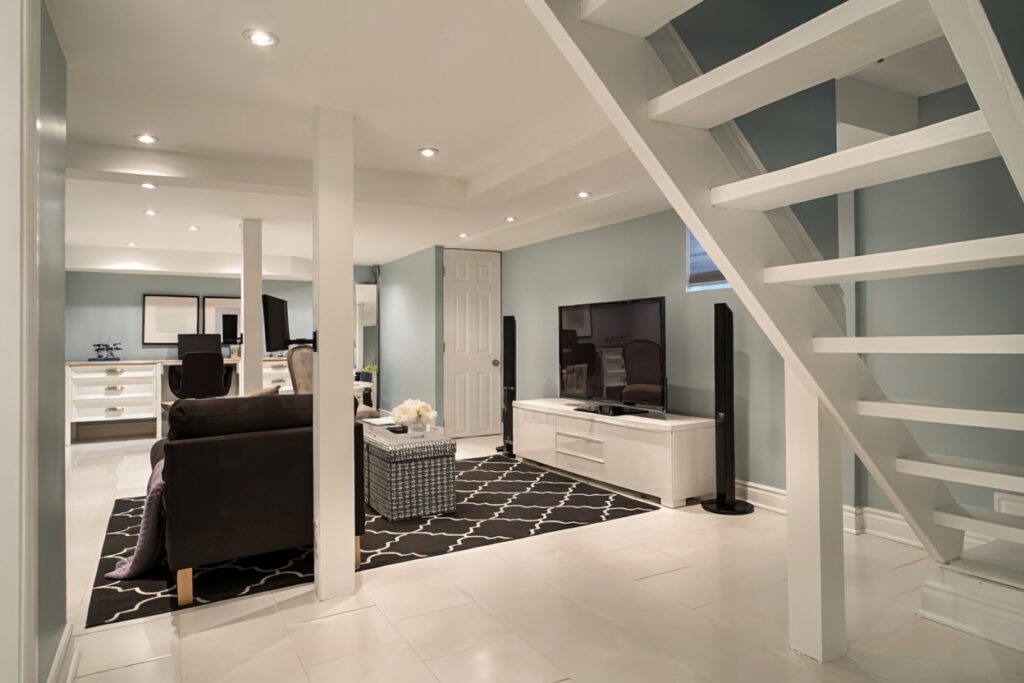
Basement ADUs
If you have an underutilized basement, this can be a smart way to add living space without expanding your footprint.
It is often one of the more efficient ways to build an ADU, especially in urban areas where space is tight.
What Does an ADU Cost in 2026?
This is usually the first question people ask.
And like most construction projects, the answer is it depends.
In 2026, ADUs in the U.S. typically range from:
$40,000 to $360,000
with an average around $180,000
Here is how that breaks down:
- Detached ADUs: $200,000 to $400,000
- Attached ADUs: $150,000 to $300,000
- Garage conversions: $80,000 to $150,000
- Basement ADUs: $100,000 to $200,000
Cost per square foot usually falls between $150 and $400 depending on complexity and location.
What Actually Drives ADU Costs
If you are trying to estimate your project, these are the factors that matter most.
Location
Building in a high-demand urban market will almost always cost more.
Labor rates, material pricing, and permitting requirements all vary by region.
Size
Larger units cost more overall, but the cost per square foot can sometimes decrease slightly as you scale.
Still, more space means more materials, more labor, and more time.
Design Complexity
A simple, functional layout will cost less than a fully customized design with high-end finishes.
The more custom the build, the higher the price.
Site Conditions
Not all properties are easy to build on.
Limited access, uneven terrain, or infrastructure challenges can add costs quickly.
Why Homeowners Are Building ADUs
There is a reason these are becoming more popular.
Property Value Increase
Adding an ADU can increase property value by 20 to 35 percent in some markets.
That alone makes it worth considering for many homeowners.
Rental Income
This is a big one.
Depending on location and size, ADUs can generate:
$1,200 to $4,000 per month in rental income
That can offset mortgage costs or create an additional income stream.
Flexible Living Options
ADUs work well for:
- aging parents
- adult children
- long-term guests
They offer independence while keeping people close.
Addressing Housing Demand
In areas where housing is tight, ADUs provide additional living space without requiring new land.
Which is why many cities are making it easier to build them.
Understanding the ROI

If you are looking at this from an investment perspective, ROI matters.
And ADUs can deliver strong returns when done right.
Property Appreciation
ADUs can increase property value significantly depending on the market.
Rental Income
When you factor in consistent rental income, the financial picture becomes more compelling.
Payback Period
Most ADUs pay for themselves within:
2 to 10 years depending on cost and rental income
After that, it becomes a long-term income asset.
Things to Think About Before You Build
Before you move forward, there are a few things to check.
Zoning Regulations
Not every property is eligible for an ADU.
Local zoning laws will determine:
- whether you can build
- how large the unit can be
- where it can be placed
Permits
Permitting requirements vary by location.
Some areas have made the process easier. Others have not.
Either way, it is a step you cannot skip.
Lot Size and Layout
You need enough space to build while still meeting setback and zoning requirements.
Not every property can support every type of ADU.
Property Infrastructure
Utilities matter.
You will need to assess access to:
- water
- sewer
- electricity
Because connecting everything is part of the cost.
So Is an ADU Worth It?
It depends on what you are trying to achieve.
If your goal is increasing property value, generating rental income, or creating flexible living space, it can be a strong investment.
If your property has limitations or local regulations are restrictive, it might not be the right fit.
So Where Does That Leave You?
ADUs are not just a trend.
They are becoming a practical solution for homeowners who want to do more with the space they already have.
But like any construction project, the outcome depends on how well it is planned.
Understanding your costs, your local regulations, and your long-term goals makes all the difference.
Because when it is done right, an ADU is not just extra space.
It is a smart use of it.
Thinking About Adding an ADU?
If you are considering building one, the best place to start is with a clear understanding of your property and what is realistically possible.
Because the sooner you know your options, the easier it is to make decisions that actually pay off.


