
As a marketing agency specializing in helping owners of construction companies bring in more business, we get asked all the time what are the commercial construction trends and how can I capitalize on it.
Things are moving fast. If you’re in commercial construction right now, you already know this.
Between shifting costs, labor challenges, and new expectations around sustainability and technology, the way projects are planned and delivered in 2026 looks very different from even a few years ago.
And if you’re still approaching projects the same way you did before, you’re probably feeling the pressure.
So let’s break down what’s actually changing and what developers need to pay attention to.
Technology Is No Longer Optional
There was a time when construction tech felt like an upgrade.
Now it’s just part of the job.
Integrated Systems Are Taking Over
Developers and contractors are moving toward systems that connect everything:
- project management
- accounting
- job costing
- field operations
The goal is simple. Fewer silos, more visibility.
When everyone is working from the same data, decisions get faster and mistakes get caught earlier.
And in a market where delays are expensive, that matters more than ever.
Data Is Driving Decisions
Guesswork is not holding up anymore.
Developers are asking:
- Which projects are actually profitable?
- Where are costs creeping up?
- How accurate were the original estimates?
Data answers those questions.
And the teams using it well are the ones staying ahead of budget surprises and tighter margins.
Labor Is Still a Problem
This one hasn’t gone away.
If anything, it’s become more pressing.
Shortage of Skilled Workers
Demand for skilled labor continues to outpace supply.
Which means projects are competing for the same talent, and timelines can get tight quickly.
Hiring more people is not always the solution, because they are not always available.
Focus Has Shifted to Productivity
Instead of trying to scale headcount, many firms are focusing on getting more out of the teams they already have.
That includes:
- tracking labor performance
- investing in training that actually improves output
- using AI tools to streamline repetitive processes
The goal is efficiency, not just expansion.
Workforce Development Is Getting Serious
Companies are not waiting around anymore.
They are building pipelines through:
- partnerships with schools
- targeted training programs
- internal development initiatives
Because long term, the only way to solve the labor gap is to grow the talent.
Sustainability Is Now Expected
This is one of the biggest shifts.
Sustainability used to be a selling point.
Now it is a requirement.
Developers Are Building Differently
Projects are increasingly designed with:
- energy efficiency in mind
- sustainable materials
- reduced waste strategies
Not just to meet regulations, but because clients expect it.
It Pays Off Long Term
Sustainable buildings are not just better for the environment.
They also tend to:
- reduce operating costs
- require less maintenance
- attract higher quality tenants
Which makes them more competitive in the market.
Costs Are Still Unpredictable
If there is one constant right now, it is volatility.
Material Prices Are Moving
Costs for materials continue to fluctuate.
That means developers need to stay proactive instead of reactive.
Some strategies that are becoming standard:
- building strong supplier relationships
- buying in bulk when possible
- managing inventory carefully
Because waiting too long to lock in pricing can get expensive.
Financial Control Matters More Than Ever
Cash flow is not something you can afford to lose track of.
Developers are putting more focus on:
- real time reporting
- accurate revenue tracking
- tighter coordination between finance and operations
The projects that stay profitable are the ones where financial visibility is clear from the start.
How Projects Are Being Built Is Changing
It is not just what you build. It is how you build it.
Modular and Offsite Construction Are Growing
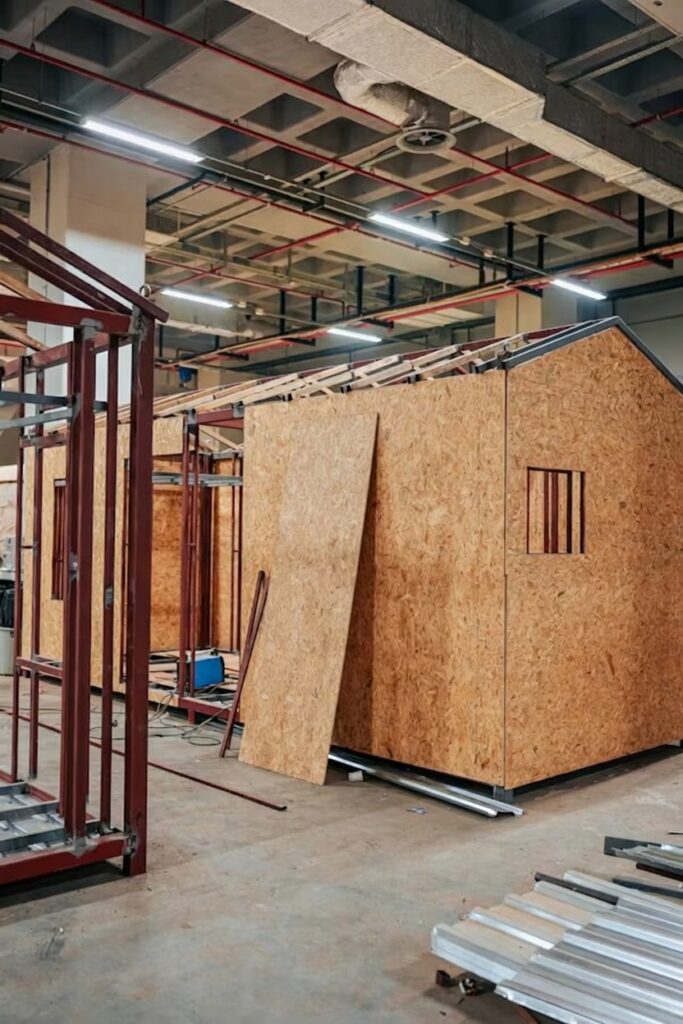
More developers are turning to modular construction.
Why?
Because it helps:
- reduce construction time
- lower labor dependency
- improve consistency and quality
Instead of doing everything on site, parts of the project are built elsewhere and assembled later.
It is faster and often more predictable.
Better Building Envelopes
There is also a stronger focus on how buildings perform.
High performance building envelopes are becoming more common, offering:
- better insulation
- improved air sealing
- higher energy efficiency
Which ties directly back to sustainability and long term cost savings.
Project Planning Has Become More Strategic
You cannot wing projects anymore.
There is too much at stake.
Planning Needs to Be Detailed
Developers are putting more effort into:
- risk assessment
- scheduling
- budgeting
- stakeholder communication
Because the more clarity you have upfront, the fewer surprises later.
Agile Approaches Are Gaining Ground
Flexibility is becoming just as important as structure.
Agile project management is helping teams:
- adapt quickly to changes
- improve collaboration
- make faster decisions
And in an environment where conditions can shift mid project, that flexibility is valuable.
So What Does This Mean for Developers?
The industry is not just evolving. It is demanding a different approach.
The developers who are doing well right now are the ones who are:
- using technology to stay informed
- managing labor through productivity, not just hiring
- building with sustainability in mind
- keeping tight control over costs
- and planning projects with intention, not assumptions
Because the margin for error is smaller than it used to be.
Looking Ahead
2026 is not about reacting to change.
It is about staying ahead of it.
The firms that adapt early will have an easier time navigating:
- rising costs
- tighter labor markets
- higher client expectations
The ones that do not will feel the pressure.
Final Thought
Commercial construction is becoming more complex, but also more opportunity driven.
If you understand where the industry is going and adjust how you plan and execute projects, you are not just keeping up.
You are positioning yourself to lead.


