
As a marketing agency specializing in helping owners of construction companies bring in more business, we get asked all the time what is the commercial construction cost per square foot in the US in 2026 and how to make sense of all the different numbers.
Let’s start here:
If you’ve been trying to figure out commercial construction costs in 2026, you’ve probably seen a lot of numbers and not a lot of clarity.
One source says $250 per square foot. Another says $600+. Someone else throws out a number that sounds suspiciously low and suddenly you’re wondering if you missed something.
You didn’t.
The reality is, commercial construction pricing is not one size fits all. And if you treat it that way, budgets can go sideways pretty quickly.
So let’s break it down in a way that actually makes sense.
Why Cost Per Square Foot Is Useful (But Not the Whole Story)
Cost per square foot is a great starting point. It helps you:
- Get a rough idea of project scope
- Compare different types of builds
- Sanity check early budgets
But here’s the catch. It is just that, a starting point.
Because that number changes based on:
- What you’re building
- Where you’re building
- How complex the project is
Two buildings with the same square footage can have completely different costs. And yes, that surprises people every time.
What Commercial Construction Costs in 2026
Let’s talk real numbers.
In 2026, most commercial construction projects in the U.S. typically fall within:
$250 to $450 per square foot
That is your baseline.
But depending on the project, costs can look more like this:
- Low end projects: $200 to $300 per sq ft
- Mid range commercial builds: $300 to $600 per sq ft
- High end or complex projects: $600 to $1,000+ per sq ft
And that is just hard costs. Materials, labor, equipment.
Soft costs like permits, design, and fees are a whole separate conversation. And they add up faster than most people expect.
Why Costs Vary More Than You Think
If you have ever wondered why your project estimate does not match the “average,” here is why.
Scope of Work
A basic warehouse and a high rise office building might both fall under “commercial,” but that is where the similarities end.
More complexity means:
- More labor
- More coordination
- More specialized systems
And ultimately, higher costs.
Location
Where you build matters. A lot.
Urban areas tend to come with:
- Higher labor rates
- Higher material costs
- Stricter regulations
Building in New York or San Francisco is a very different experience and budget than building in the Midwest.
Building Type
Different building types come with different requirements.
- Healthcare facilities require specialized systems and strict compliance
- Retail spaces often involve custom build outs
- Industrial buildings tend to be more straightforward
The more specialized the project, the higher the cost.
Market Conditions
Material pricing, labor availability, and supply chain issues all play a role. And they do not always behave predictably.
In 2026, ongoing labor shortages and fluctuating material costs continue to put pressure on budgets.
What something cost last year is not always what it costs now.
Key Cost Drivers to Watch
Let’s look at the biggest factors influencing construction costs right now.
Labor Costs
Labor remains one of the largest expenses in any construction project.
With a shortage of skilled workers, wages are rising. That directly impacts your bottom line.
Projects requiring specialized trades like electrical or plumbing can push costs even higher.
Material Costs
Materials are still a moving target.
Steel and lumber prices are stabilizing in some areas, but tariffs, supply chain delays, and demand shifts continue to create variability.
Timing matters more than most people realize. Delays in procurement can increase costs quickly.
Regulatory Requirements
Permits, inspections, and compliance are not just paperwork. They are part of your budget.
Certain project types like healthcare or education come with stricter regulations, which can increase both timelines and costs.
If sustainability certifications or environmental assessments are involved, expect additional expenses.
Site Conditions
The site itself can make or break your budget.
Things like:
- Soil quality
- Accessibility
- Existing structures
All impact how much work needs to happen before construction even begins.
If significant site prep is required, costs will climb.
Cost Breakdown by Building Type
Here is a more detailed look at what different commercial projects typically cost:
Office Buildings
- Single story: $240 to $440 per sq ft
- Mid rise: $330 to $870 per sq ft
- High rise: $1,000+ per sq ft
Height and structural complexity drive costs up quickly.
Retail Spaces
- Basic shell: $250 to $380 per sq ft
- Full shopping centers: $370 to $580 per sq ft
Tenant requirements and interior finishes can significantly impact pricing.
Healthcare Facilities
- Medical offices: $375 to $650 per sq ft
- Hospitals: $800 to $1,020+ per sq ft
These are some of the most expensive builds due to specialized systems and strict compliance standards.
Industrial and Warehouse Buildings
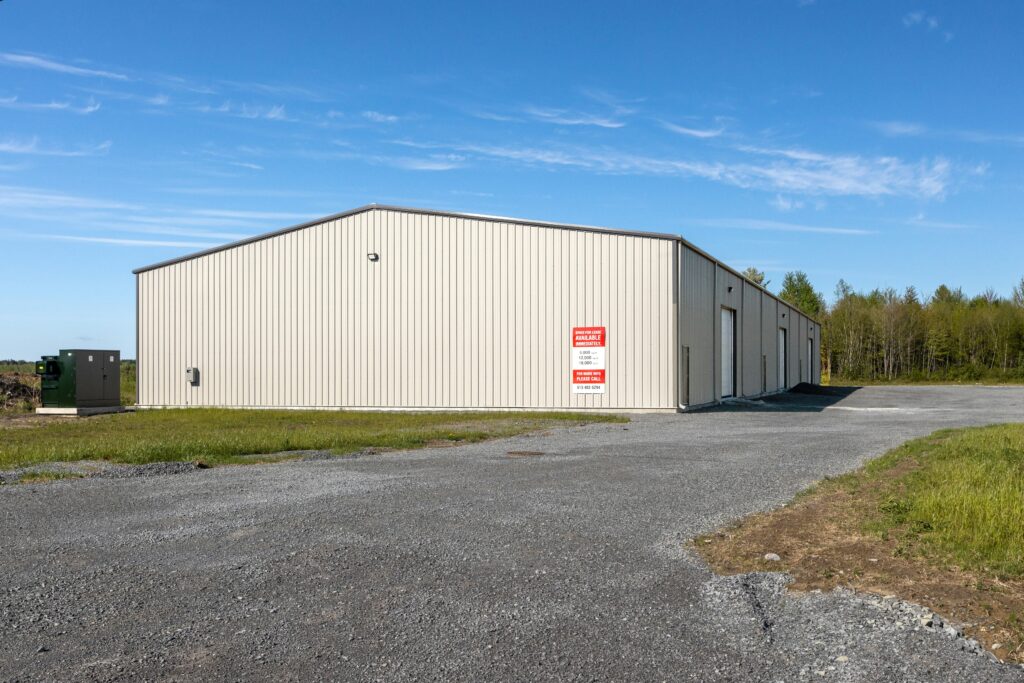
- Standard warehouses: $100 to $275 per sq ft
Generally more cost effective, but specialized features like climate control can increase costs.
Hospitality Projects
- Mid range hotels: $500 to $930 per sq ft
- Luxury hotels: higher, depending on finishes and amenities
The level of service and design expectations play a big role here.
Educational and Community Buildings
- Basic classrooms: $300 to $380 per sq ft
- Specialized facilities: $700 to $840 per sq ft
Labs, auditoriums, and advanced spaces increase complexity and cost.
Regional Cost Differences
Not all markets behave the same.
High Cost Areas
Cities like New York, San Francisco, and Boston consistently rank among the most expensive due to:
- Higher wages
- Stricter regulations
- Higher demand
Mid Range Markets
The Midwest and Southern U.S. often offer:
- Lower labor costs
- Fewer zoning challenges
- Better overall cost efficiency
Lower Cost Areas
Rural or less populated regions can provide savings, especially when labor markets are more competitive.
How to Estimate Costs More Accurately
If you want to avoid surprises later, start here:
Define Your Scope Clearly
Be specific about:
- Building type
- Intended use
- Required features
Vague scope leads to inaccurate estimates.
Use Real Project Data
Look at comparable builds, not just averages. Real world data gives better insight than generic ranges.
Talk to Professionals Early
Contractors, architects, and estimators can help validate assumptions before they become expensive mistakes.
Do Not Forget Soft Costs
Permits, design fees, and other soft costs can add 15 to 35 percent to your total budget.
Build in a Contingency
Unexpected issues are part of construction.
Plan for 5 to 15 percent contingency, or more for complex projects.
The Bottom Line
Cost per square foot is a helpful benchmark. But it is not the full picture.
Every project is different.
Every location is different.
And every decision you make affects the final cost.
The goal is not just to find a number.
It is to understand what is driving that number so you can plan smarter from the start.
Thinking About a Commercial Project?
If you are planning a build and want a clearer picture of what your project might actually cost, not just a generic range, it is worth having that conversation early.
Because the earlier you understand the variables, the easier it is to avoid surprises later


